The True Cost of Neglecting Exterior House Washing in SA
For homeowners in Glenelg and across South Australia, exterior house washing is often treated as a cosmetic job that can wait until next year. In reality, skipping regular cleaning can lead to expensive repairs, reduced property value and avoidable health concerns. Glenelg's position on Gulf St Vincent, with salt-laden sea breezes, strong UV exposure and hot, dry summers followed by damp winters, creates conditions that accelerate the build-up of grime on exterior surfaces. This article explains what neglect actually costs and why a routine washing schedule is one of the more affordable forms of home maintenance.
Why Glenelg Homes Face Unique Exterior Challenges
Coastal suburbs put extra strain on building materials. Homes in Glenelg, Glenelg North, Glenelg East and nearby Brighton and Somerton Park are exposed to a combination of environmental factors that inland properties experience far less intensely.
Salt Air and Salt Deposits
Airborne salt settles on walls, windows, roofing, gutters, fences and outdoor fixtures. Left in place, salt attracts moisture and can accelerate corrosion of metal elements such as Colorbond fascia, window frames, balustrades and fixings. It can also contribute to efflorescence, the white powdery residue that appears on brick, render and concrete. Regular rinsing removes these deposits before they cause lasting damage.
Strong UV and Temperature Swings
South Australia's high UV levels break down paint binders and cause chalking, fading and cracking. When dirt and pollutants sit on top of an already weathered paint surface, they hold in moisture and speed up deterioration. Clean surfaces reflect and shed the elements more effectively than dirty ones.
Mould, Mildew and Algae in the Cooler Months
Although Adelaide has a Mediterranean climate with dry summers, winter rainfall and morning dew can produce mould and algae growth, particularly on south-facing walls, shaded areas, eaves, pergolas and areas near gardens. These organisms feed on dirt, pollen and organic residue, so the longer grime remains, the more established they become.
The Hidden Financial Costs of Neglect
The expense of ignoring exterior cleaning rarely appears all at once. It builds gradually, and the bill arrives as repairs, repainting or premature replacement.
Premature Repainting
Paint is one of the largest maintenance expenses for a home. Dirt, mould and salt break down the coating and reduce adhesion, which can shorten the lifespan of an exterior paint job by several years. A professional repaint of an average single-storey home can cost thousands of dollars, and painters will typically insist the surfaces are properly cleaned before they begin. Skipping regular washing means paying for the same cleaning later, plus the cost of repainting earlier than necessary.
Roof and Gutter Problems
Lichen, moss and algae on roof tiles and metal sheeting retain moisture. On concrete and terracotta tiles, this can lead to surface degradation and, over time, cracked or porous tiles. Blocked gutters and downpipes can cause water to overflow, damaging fascia boards, eaves and even wall cavities. Repairing water damage is significantly more expensive than preventative cleaning.
Damage to Concrete, Pavers and Driveways
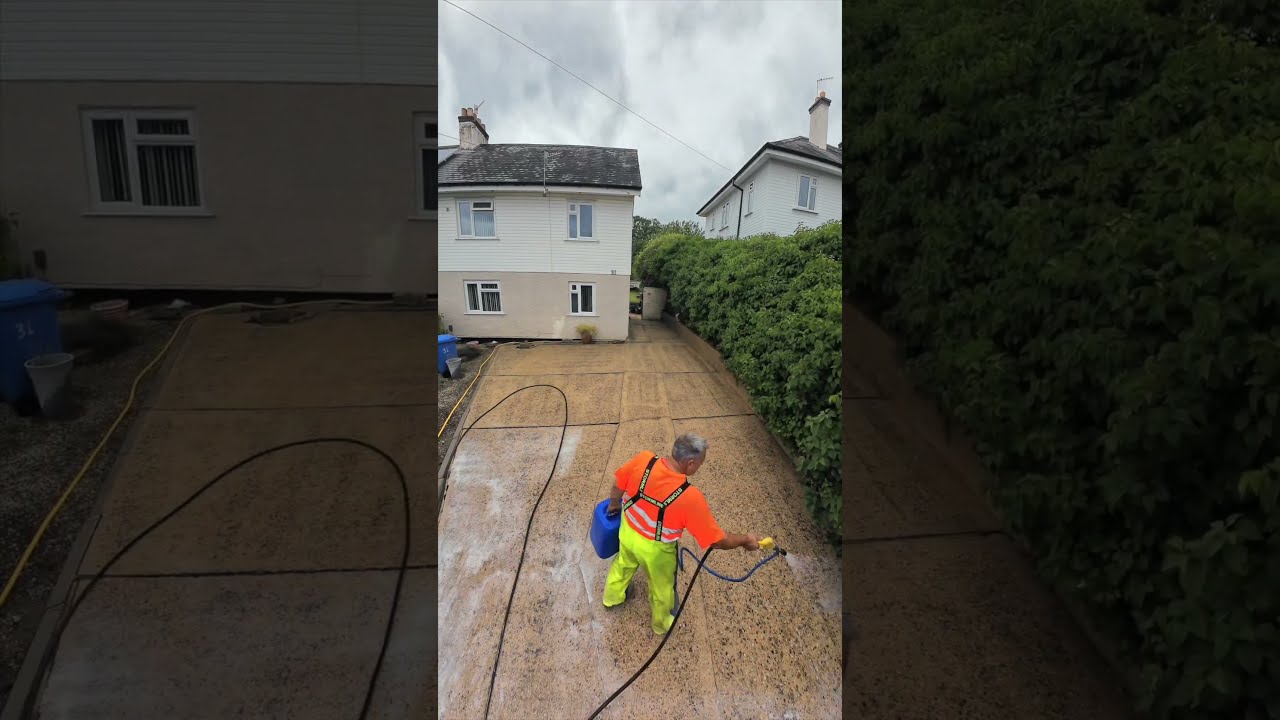
Oil stains, rust marks, tannin stains from trees and organic growth can permanently discolour porous paving if not treated promptly. Slime and algae also create slip hazards. Once staining has penetrated deeply, removal can require repeated treatments or may not be fully possible, and replacement or resurfacing becomes the only option.
Reduced Property Value and Curb Appeal
Glenelg is a sought-after coastal market, and presentation matters. A home with streaky walls, green-tinged paving and weathered fences makes a poor first impression with prospective buyers and valuers. Buyers often mentally add the cost of repairs and cleaning to their offer, which can reduce the price a seller achieves. A professionally cleaned exterior is one of the most cost-effective ways to improve presentation before a sale or rental inspection.
Health and Safety Risks
Beyond money, neglected exteriors can affect the people who live in or visit the home.
- Allergies and respiratory irritation: Mould spores and algae can aggravate asthma, hay fever and other respiratory conditions, particularly for children and older residents.
- Slip hazards: Algae and moss on paths, steps, patios and pool surrounds become very slippery when wet, increasing the risk of falls.
- Pest harbourage: Built-up debris, cobwebs and organic matter around eaves and walls can attract spiders, wasps and other pests.
- Compromised air quality indoors: Mould on external walls near windows and vents can contribute to moisture problems and musty odours inside.
Warning Signs It Is Time to Wash
You do not need to wait for obvious damage. Walk around your property and look for these indicators:
- Green, black or grey patches on walls, especially in shaded areas.
- White chalky residue on bricks, render or concrete.
- Dull, faded or powdery paint when you rub a hand across the surface.
- Dark streaks running down from the roofline or gutters.
- Slippery paving, steps or decking.
- Rust-coloured stains beneath metal fixtures or on concrete.
- Cobwebs and mud wasp nests accumulating under eaves.
Soft Washing Versus Pressure Washing
Not every surface should be blasted with high pressure. Older render, weathered paint, timber cladding, roof tiles and windows can be damaged by excessive force, which can drive water behind cladding or strip protective coatings. Many professionals use low-pressure soft washing with appropriate cleaning solutions for walls and roofs, while reserving higher pressure for hard surfaces such as concrete driveways and pavers. Using the wrong method is itself a hidden cost, as DIY pressure washing is a common cause of etched surfaces, damaged mortar and water ingress.
How Often Should You Wash Your Home in Glenelg?
As a general guide, coastal properties benefit from an exterior wash at least once a year. Homes very close to the beachfront, or those with heavy tree cover, shaded walls or visible mould, may need attention every six to nine months. Paved areas, driveways and pool surrounds can also be refreshed annually. Roofs usually need cleaning less often, typically every few years, depending on the amount of lichen and moss growth. A professional can assess your property and recommend a schedule suited to its materials and exposure.
Environmental and Regulatory Considerations in 2026
Water use and runoff remain relevant considerations in South Australia. Cleaning wastewater should not be allowed to carry detergents, chemicals or contaminants into the stormwater system, which drains to the coast and affects local waterways. Reputable operators use biodegradable products where possible, manage runoff and follow guidance from the EPA South Australia and local council requirements. Homeowners hiring a contractor should ask about their cleaning solutions, water management practices and insurance cover. Efficient equipment and targeted cleaning also help reduce water use, which continues to matter in a state known for its dry climate.
The Cost of Washing Versus the Cost of Neglect
A professional exterior wash is typically a small fraction of the cost of repainting, replacing damaged materials or repairing water damage. Because pricing varies with the size of the home, number of storeys, access and surfaces involved, it is best to request a written quote. Viewed as part of a long-term maintenance plan, regular washing protects your largest asset, extends the life of coatings and surfaces, and keeps your home looking its best in a competitive coastal property market. Planning ahead for 2027 and beyond with a consistent annual schedule helps avoid the larger, unplanned expenses that come with long-term neglect.
Practical Tips for Glenelg Homeowners
Between professional washes, simple habits can slow the build-up of grime:
Rinse windows, door frames and outdoor furniture with fresh water regularly to remove salt. Trim back trees and vegetation that keep walls damp and shaded. Clear gutters before winter and after storms. Treat small patches of mould early https://glenelgpressurecleaning.com.au/commercial-pressure-cleaning/ with a suitable cleaner rather than waiting for them to spread. Check silicone seals, paint and caulking for cracks so that cleaning does not push water into vulnerable areas.
Final Thoughts
Neglecting exterior house washing in Glenelg is a false economy. Salt air, UV exposure and seasonal moisture mean that dirt and organic growth do more than spoil appearances; they shorten the life of paint, roofing, paving and fixtures, create health and safety risks, and reduce your home's market appeal. Scheduling regular, correctly performed cleaning is a modest investment that helps avoid far more expensive repairs. If you are unsure where to start, a qualified local exterior cleaning professional can inspect your property, recommend the safest method for each surface and help you build a maintenance routine that suits your home and budget.
Glenelg Pressure Cleaning
Unit 3/2-4 Byre Ave, Somerton Park SA 5044
(08) 7282 0893